


This hasn't been seen since autumn 2023.
It is not the hawks of the ECB who are expressing their views, but rather the financial markets who are anticipating it: the rise in short-term rates in the euro zone has now become a likely scenario in 2026.
As in 2022, and this time due to the risks of prolonged closure of the Strait of Hormuz, the inflationary fears linked primarily to rising energy prices, but also the risks of disruption to supply chains, are at issue.
These expectations are still low, since on the evening of March 5, there was still only a 60% probability of an ECB rate hike in 2026, but this is in itself an event since the previous week there was still a 30% to 50% probability of a rate cut in the euro zone.
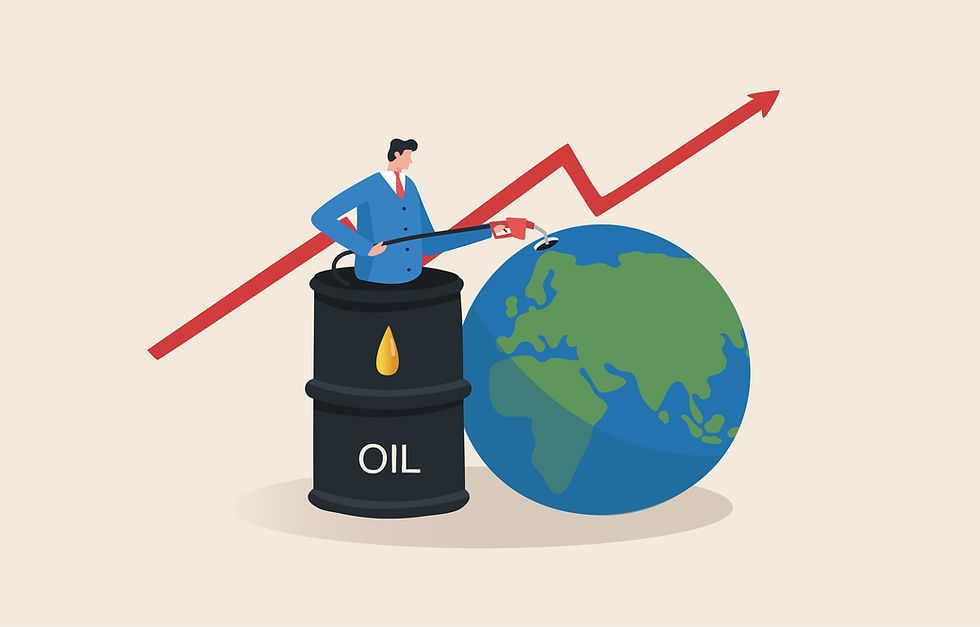
According to economists, a $10 rise in the price of a barrel of oil mechanically leads to an increase in inflation of approximately 0.3% in the Eurozone and the UK, and slightly less in the US. The $20 increase in the price of a barrel since the end of January could therefore thwart the scenario of falling interest rates, or even permanently reverse expectations.
The evolution of the situation in the Strait of Hormuz is therefore a key factor in the evolution of short-term rates in 2026, and in any case in rate expectations in the coming weeks.
As we indicated in our previous market update in February, the scenario of falling interest rates in the eurozone is far from certain.